Are Cleaning Times Accurate? What Medical Facility Managers Should Know
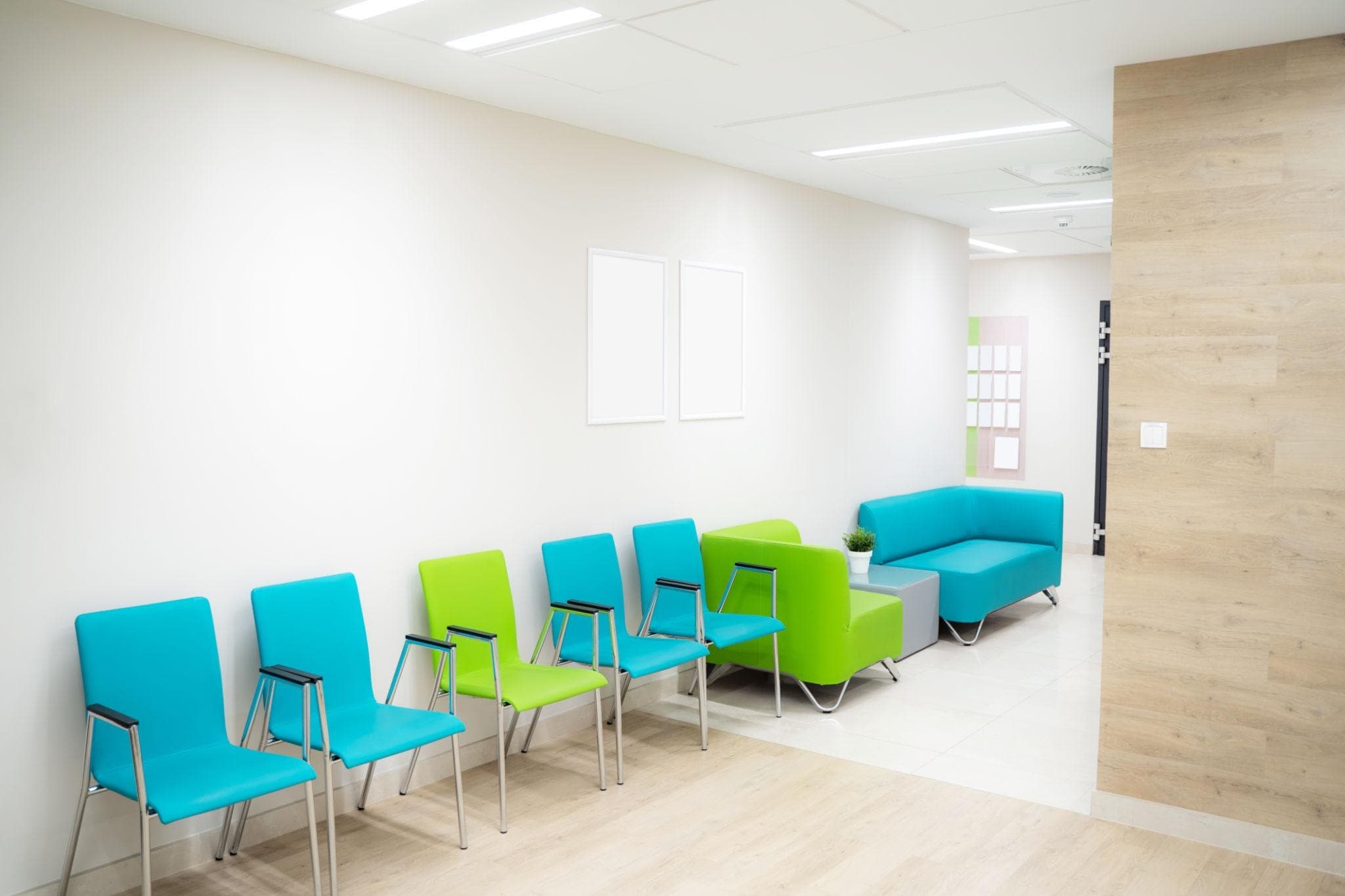
Many healthcare and medical facilities use standard production rates or “cleaning times” to estimate how long it should take to clean a building.
These benchmarks—often based on industry guidelines—can be useful as a reference. However, relying too heavily on standardized cleaning times can create unrealistic expectations, inconsistent results, and overlooked high-risk areas.
In this article, we’ll break down how cleaning times work, where they fall short, and what medical facility managers should actually focus on when evaluating cleaning performance.
What Are Cleaning Times?
Cleaning times are standardized estimates used to determine how long specific cleaning tasks should take based on square footage and area type.
Examples include:
- Cleaning patient waiting areas
- Sanitizing restrooms
- Maintaining hallways and common spaces
- Disinfecting exam rooms
These benchmarks are commonly used to:
- Estimate labor requirements
- Build cleaning schedules
- Price janitorial contracts
While they can provide a baseline, they are not a complete measure of cleaning quality or effectiveness.
The Problem with Relying on Cleaning Times Alone
1. They Don’t Reflect Real Facility Usage
Medical facilities experience varying levels of traffic and patient activity throughout the day.
A busy urgent care center may require significantly more attention than a low-traffic administrative office of the same size. Standard cleaning times often fail to account for:
- Patient volume
- Staff movement
- Waiting room usage
- Peak operating hours
This can lead to under-serviced areas and inconsistent cleanliness.
2. They Overlook High-Risk Areas
Not all spaces within a medical facility require the same level of attention.
High-touch and high-risk areas such as:
- Reception counters
- Waiting rooms
- Restrooms
- Exam rooms
- Shared equipment surfaces
often require more frequent cleaning and disinfection than standard production rates allow.
When cleaning schedules focus strictly on time targets, these critical areas may not receive the attention they need.
3. They Can Lead to Rushed Cleaning
Strict production expectations can shift the focus from quality to speed.
This often results in:
- Missed touchpoints
- Inconsistent disinfection
- Recurring cleanliness complaints
- Increased infection control concerns
In healthcare environments, rushed cleaning can directly impact patient perception and overall safety.
4. They Don’t Adjust to Daily Conditions
Cleaning needs in medical facilities can change rapidly based on:
- Seasonal illness spikes
- Weather conditions
- Patient surges
- Staffing levels
Static cleaning times do not adapt well to changing conditions, which can create service gaps during busy periods.
What Matters More Than Cleaning Times
Instead of relying solely on production rates, effective healthcare cleaning programs focus on real-world operational demands.
Key factors include:
- Traffic patterns and patient flow
- Frequency of room usage
- High-touch surface exposure
- Infection prevention priorities
- Facility layout and operational hours
A more flexible approach allows cleaning efforts to match actual conditions rather than fixed estimates.
A Better Approach: Workload-Based Cleaning
Rather than asking:
“How fast should this area be cleaned?”
A better question is:
“What level of cleanliness and disinfection does this space require, and how often?”
Workload-based cleaning focuses on:
- Prioritizing high-traffic areas
- Adjusting cleaning frequency based on use
- Maintaining consistency throughout the day
- Supporting infection prevention efforts
This approach typically leads to better cleanliness outcomes and fewer recurring issues.
Why This Matters for Medical Facility Managers
Understanding the limitations of cleaning times helps healthcare facilities make more informed decisions when evaluating vendors or internal cleaning programs.
It allows facility managers to:
- Set realistic service expectations
- Improve cleaning consistency
- Reduce patient and staff complaints
- Support safer healthcare environments
- Align cleaning schedules with actual operational needs
Final Thoughts
Cleaning times can serve as a useful reference point, but they should not be the sole driver of a healthcare cleaning program.
Medical facilities that prioritize consistency, usage patterns, and infection prevention typically achieve better long-term results than those relying strictly on production benchmarks.
Call to Action
If you’re evaluating your current healthcare cleaning program, it may be worth looking beyond standard production rates and focusing on how your facility actually operates day to day.
Element Cleaning Systems can help build a customized cleaning approach designed around patient flow, high-touch areas, and real operational demands.