How One Medical Facility Reduced Odors and Improved Patient Experience in 30 Days
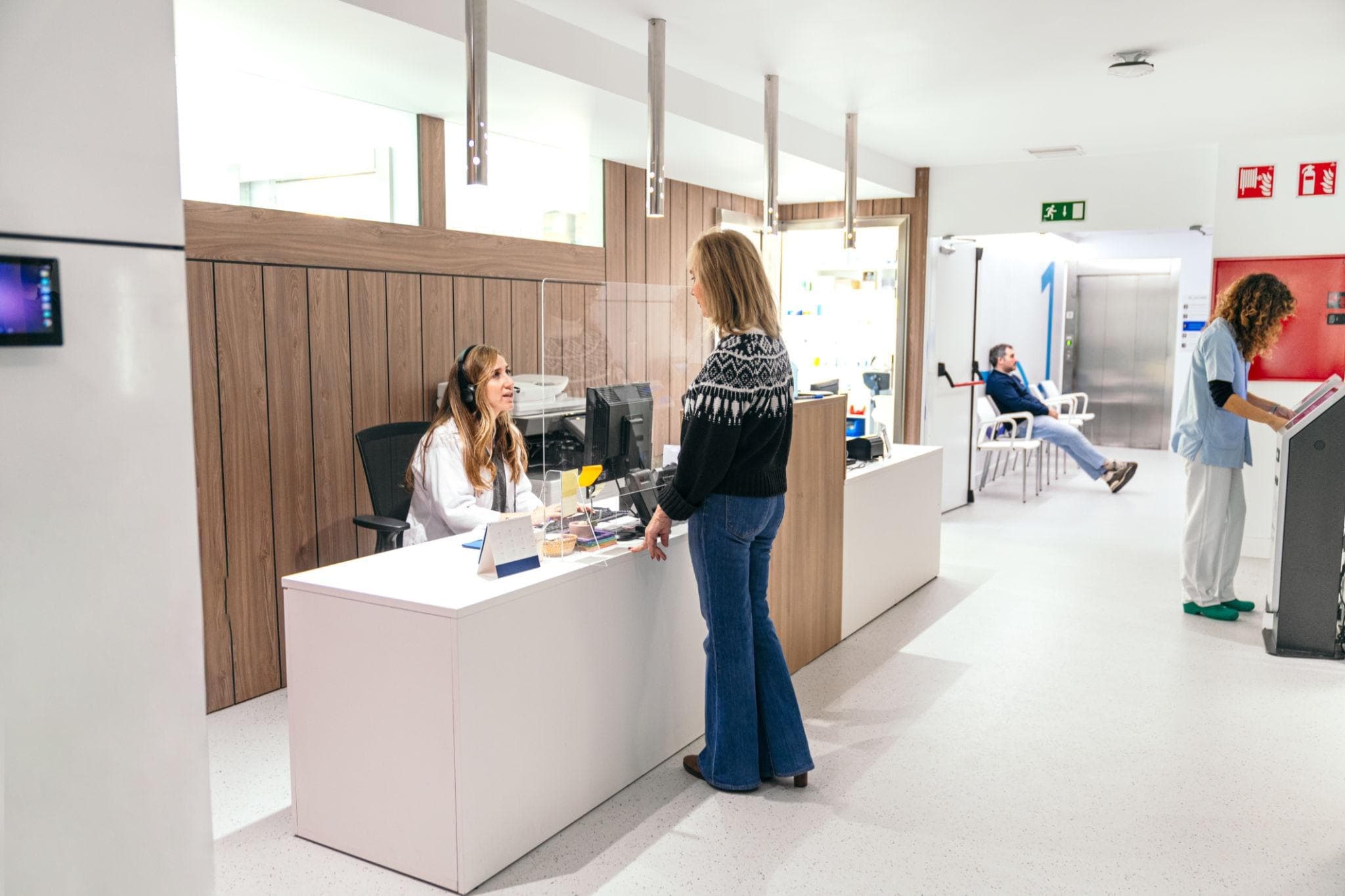
Maintaining a clean and odor-free medical facility can be challenging, especially in high-traffic environments with constant patient flow. For one mid-sized healthcare clinic, persistent odors and inconsistent cleaning standards began affecting both staff comfort and patient perception.
Here’s how a more structured cleaning approach helped improve their facility in just 30 days.
The Challenge
The facility was experiencing several ongoing issues:
- Lingering odors in waiting areas and restrooms
- Dust and buildup in high-traffic zones
- Inconsistent cleaning results from their current provider
- Increasing patient complaints about cleanliness and presentation
Despite routine cleaning services, the building still felt inconsistent and difficult to maintain during busy days.
The Solution
To address these concerns, the facility implemented a more structured and targeted cleaning program focused on high-impact areas.
1. Increased Attention on High-Traffic Areas
Cleaning frequency was adjusted in areas with the highest daily traffic, including:
- Waiting rooms
- Restrooms
- Hallways and entrances
- Patient exam rooms
This helped prevent buildup throughout the day and improved overall consistency.
2. Advanced Odor Control Measures
Instead of simply masking odors, the cleaning program introduced odor-neutralizing treatments designed to eliminate odor sources at the root.
This created a cleaner and more comfortable environment for both patients and staff.
3. Consistent Disinfection Procedures
Standardized cleaning protocols were introduced to ensure all high-touch surfaces received proper disinfection throughout the day.
This included:
- Door handles
- Waiting room seating
- Counters and check-in areas
- Restroom touchpoints
4. Routine Inspections and Quality Checks
Regular walkthroughs and inspections were implemented to identify issues early and maintain accountability.
This helped ensure cleaning standards remained consistent across all shifts.
The Results (After 30 Days)
Within the first month, the facility experienced noticeable improvements:
- Reduced odors throughout major areas
- Cleaner and more consistent presentation
- Fewer patient complaints
- Improved staff satisfaction
Most importantly, patients began commenting on how clean and well-maintained the facility felt.
Why It Worked
The improvement wasn’t caused by more cleaning—it was caused by smarter cleaning.
By focusing on traffic patterns, consistency, and proactive sanitation practices, the facility was able to improve cleanliness standards without disrupting operations.
What This Means for Your Facility
If your medical facility is experiencing similar challenges, the issue may not be the amount of cleaning being done—but how cleaning is being managed.
Common warning signs include:
- Persistent odors
- Inconsistent cleanliness
- Recurring patient complaints
- High-touch areas being overlooked
These issues often point to gaps in cleaning strategy and quality control.
Final Thoughts
A clean medical facility directly impacts patient experience, staff morale, and overall trust in your organization.
With the right cleaning strategy in place, even long-standing cleanliness issues can be resolved quickly and effectively.
If you’re looking to improve consistency and presentation in your facility, consider starting with a walkthrough and customized cleaning plan tailored to your environment.