How One School Improved Cleanliness and Reduced Complaints in 30 Days
How One School Improved Cleanliness and Reduced Complaints in 30 Days
Maintaining a clean and organized school environment can be difficult, especially in high-traffic facilities with constant student movement throughout the day. For one mid-sized school, recurring cleanliness concerns and inconsistent maintenance were beginning to affect both staff satisfaction and overall campus presentation.
Here’s how a more structured cleaning approach helped improve their facility in just 30 days.
The Challenge
The school was experiencing several ongoing issues:
- Dirt and debris buildup in hallways and entrances
- Restrooms becoming inconsistent throughout the day
- Increased complaints about cafeteria and shared spaces
- Inconsistent cleaning quality from their current provider
Despite daily cleaning, the campus still appeared difficult to maintain during busy school days.
The Solution
To address these concerns, the school implemented a more structured cleaning program focused on high-traffic and high-impact areas.
1. Increased Attention on High-Traffic Areas
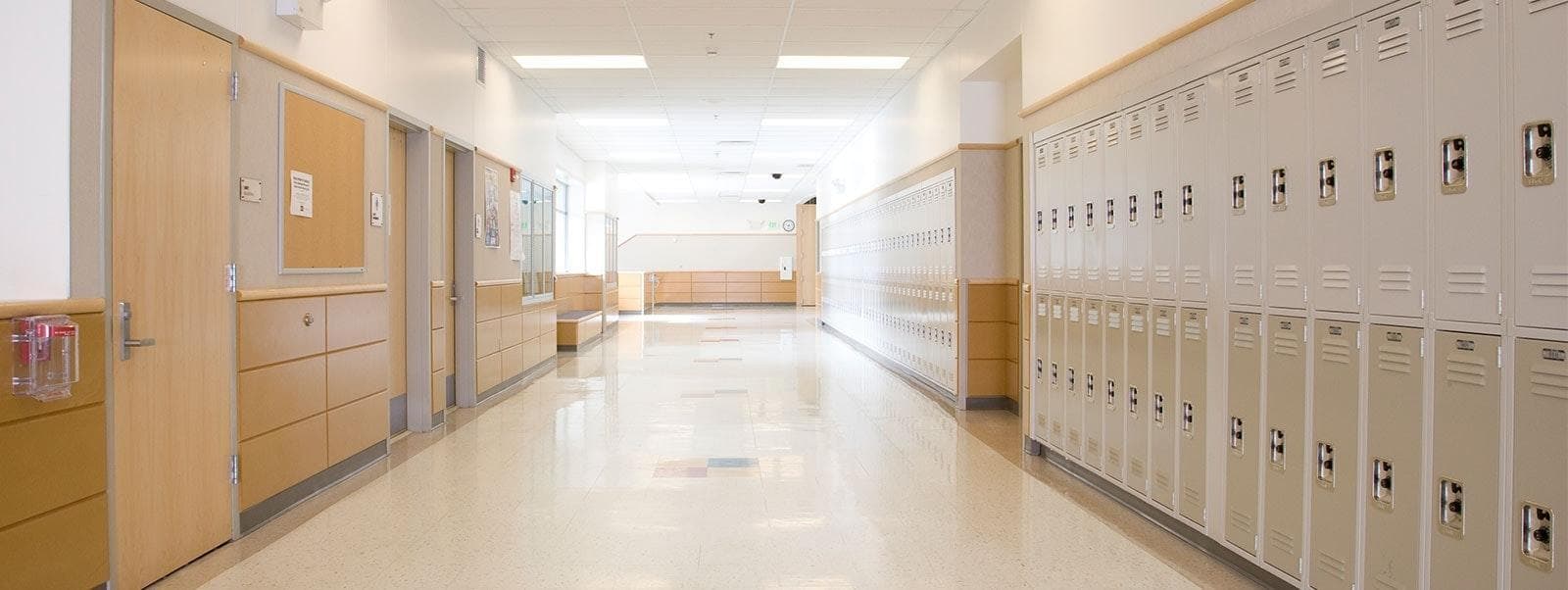
Cleaning frequency was increased in hallways, entrances, cafeterias, and shared student spaces throughout the day.
2. More Consistent Restroom Maintenance
Restrooms were monitored and restocked more frequently to improve consistency during peak usage periods.
3. Standardized Cleaning Procedures
Structured cleaning checklists were introduced to ensure classrooms and common areas received consistent attention.
4. Routine Inspections and Quality Checks
Regular walkthroughs helped identify issues early and improve accountability.
The Results (After 30 Days)
Within the first month, the school experienced noticeable improvements:
- Cleaner hallways and common areas
- Fewer complaints from staff and students
- More consistent restroom conditions
- Improved overall campus presentation
Most importantly, the facility felt cleaner and more organized throughout the school day.
Why It Worked
The improvement wasn’t caused by cleaning more—it was caused by cleaning more strategically.
By focusing on traffic patterns, consistency, and proactive maintenance, the school was able to improve cleanliness standards without disrupting daily operations.
What This Means for Your School
If your school is dealing with recurring cleanliness issues, the problem may not be the amount of cleaning being done—but how cleaning is being managed.
Common signs include:
- Dirty high-traffic areas
- Inconsistent restroom conditions
- Frequent cleanliness complaints
These are often indicators that your current cleaning approach needs adjustment.
Final Thoughts
A clean school environment supports student experience, staff morale, and overall campus safety.
With the right cleaning strategy in place, schools can improve consistency, reduce complaints, and maintain a more professional learning environment.