New Cleaning and Sanitation Standards for Veterinary Clinics in 2026
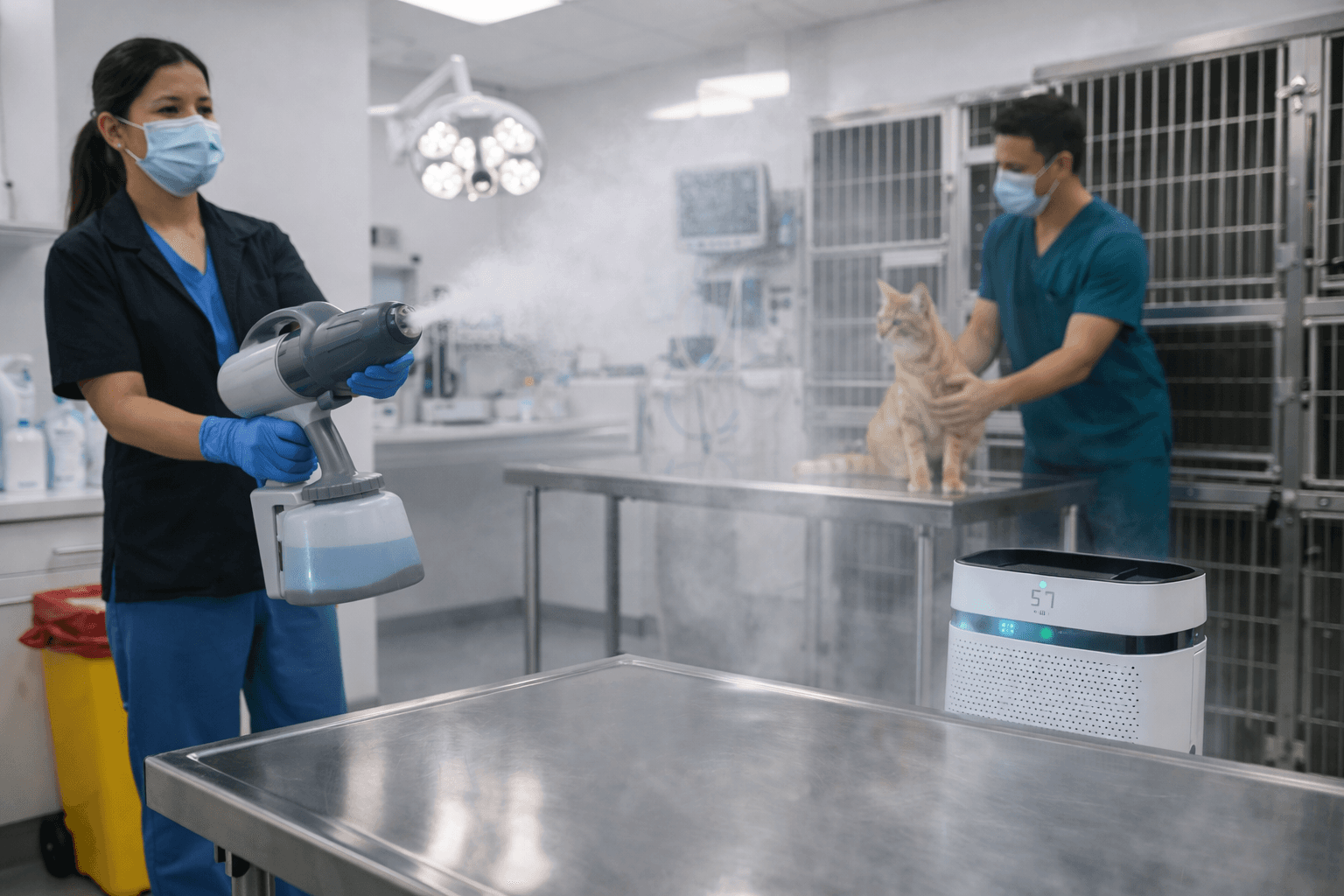
New Cleaning and Sanitation Standards for Veterinary Clinics in 2026
Veterinary clinics are evolving—not just in patient care, but also in how cleanliness and sanitation are managed.
With increased awareness around infection control, stricter safety expectations, and higher client standards, cleaning protocols in veterinary facilities are becoming more advanced than ever.
In 2026, clinics are expected to follow more structured and proactive cleaning practices to ensure safety, compliance, and trust.
Why Cleaning Standards Are Changing
Several factors are driving the shift toward stricter sanitation practices:
- Increased focus on infection prevention
- Higher client expectations for cleanliness
- Growing awareness of cross-contamination risks
- More emphasis on workplace safety
Veterinary clinics are now expected to maintain environments similar to healthcare facilities, not just standard commercial spaces.
1. Stronger Disinfection Protocols
Modern veterinary clinics are moving toward more consistent and thorough disinfection practices.
This includes:
- Cleaning between every patient visit
- Using hospital-grade disinfectants
- Following structured cleaning checklists
These protocols help reduce the spread of bacteria and viruses within the clinic.
2. Increased Focus on High-Traffic Areas
High-traffic zones require more frequent attention due to constant use.
Key areas include:
- Waiting rooms
- Reception desks
- Exam rooms
- Hallways and entrances
Cleaning schedules are now being designed based on usage and traffic patterns, rather than just square footage.
3. Better Biohazard and Waste Management
Proper handling of medical and biological waste is becoming a top priority.
Clinics are expected to:
- Follow stricter disposal procedures
- Use designated biohazard containers
- Train staff on safe handling practices
This reduces health risks and ensures regulatory compliance.
4. Improved Air Quality and Odor Control
Air quality is becoming an essential part of overall cleanliness.
Veterinary clinics are now focusing on:
- Reducing airborne allergens
- Managing odors effectively
- Improving ventilation systems
Cleaner air contributes to a more comfortable environment for both staff and clients.
5. More Structured Cleaning Programs
Rather than reactive cleaning, clinics are shifting toward proactive maintenance programs.
This includes:
- Scheduled deep cleaning
- Routine inspections
- Standardized cleaning procedures
A structured approach helps maintain consistency and reduces long-term issues.
6. Staff Training and Accountability
Cleaning is no longer treated as a secondary task.
Clinics are placing more emphasis on:
- Proper staff training
- Clear responsibilities
- Accountability through checklists and audits
This ensures cleaning standards are consistently met.
Why This Matters for Clinic Owners
Updated cleaning standards are not just about compliance—they directly impact:
- Patient safety
- Staff health
- Client perception
- Overall clinic reputation
A clean and well-maintained facility builds trust and improves the overall experience for everyone who walks through your doors.
Final Thoughts
As veterinary clinics continue to evolve, so do the expectations for cleanliness and sanitation.
Staying ahead of these standards requires a proactive approach, the right processes, and often the support of experienced cleaning professionals.
By adopting modern cleaning practices, clinics can create safer environments, maintain compliance, and deliver a higher level of care.