Why Traffic Patterns Matter More Than Square Footage in Facility Cleaning
Why Traffic Patterns Matter More Than Square Footage in Facility Cleaning
When planning a cleaning program, many facilities focus primarily on square footage. While building size does matter, it’s not always the best indicator of how often an area needs attention. In reality, how people move through a building—its traffic patterns—plays a much bigger role in determining cleaning priorities.
Understanding traffic flow allows facilities to maintain cleanliness more efficiently, improve safety, and ensure high-impact areas always look their best.
1. High-Traffic Areas Accumulate Dirt Faster
Spaces that see constant foot traffic collect dust, debris, and moisture much faster than areas that are rarely used. Entrances, hallways, and elevators can become dirty quickly, even in smaller buildings.
By focusing on traffic patterns instead of just square footage, cleaning teams can concentrate efforts where dirt and wear accumulate the most.
Common high-traffic zones include:
- Building entrances and lobbies
- Main corridors and hallways
- Elevators and stairwells
- Breakrooms and shared spaces
- Restrooms
These areas often require more frequent cleaning than larger but less-used spaces.
2. Square Footage Doesn’t Reflect Usage
Two buildings with the same size can have very different cleaning needs depending on how people use the space.
For example, a 5,000-square-foot office with constant employee movement may require more cleaning than a 10,000-square-foot warehouse with limited daily activity. Relying solely on square footage can lead to inefficient cleaning schedules that either over-clean or neglect key areas.
Traffic-based planning ensures resources are used where they matter most.
3. Traffic Patterns Affect Floor Wear and Safety
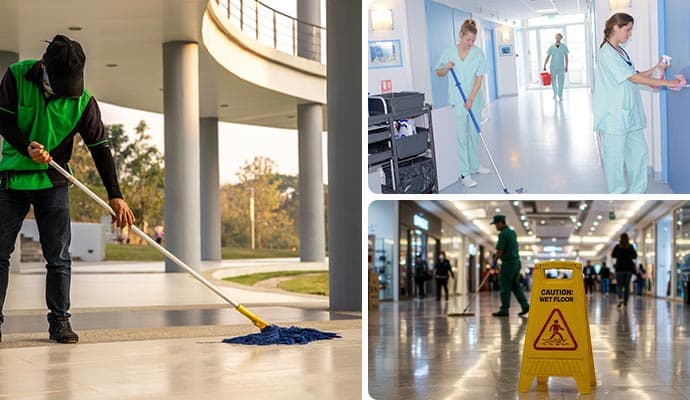
Heavy foot traffic also accelerates floor wear. Dirt, sand, and debris tracked through entrances act like sandpaper on flooring surfaces, leading to scratches, dull finishes, and faster deterioration.
High-traffic areas may require:
- More frequent floor scrubbing
- Entry mat maintenance
- Spot cleaning throughout the day
- Regular inspections to prevent slip hazards
Prioritizing these zones helps extend the lifespan of flooring and improves safety for employees and visitors.
4. First Impressions Happen in High-Traffic Zones
Visitors rarely see every square foot of your facility. Instead, they experience specific areas such as the entrance, reception area, and main walkways.
If these high-traffic spaces appear dirty or poorly maintained, it can negatively impact the overall perception of your business—even if the rest of the facility is spotless.
Cleaning strategies that prioritize traffic flow help ensure the most visible areas always look professional and welcoming.
5. Smarter Cleaning Improves Efficiency
Cleaning based on traffic patterns helps facilities allocate time, staff, and resources more effectively. Instead of treating every area the same, teams can adjust cleaning frequency based on real usage.
This approach can:
- Reduce unnecessary cleaning in low-traffic areas
- Improve consistency in high-impact zones
- Extend the life of flooring and surfaces
- Optimize labor and operational costs
Final Thoughts
While square footage provides a basic understanding of building size, it doesn’t tell the full story. Traffic patterns reveal how a space is actually used—and where cleaning efforts will make the greatest impact.
By focusing on high-traffic areas and adjusting cleaning schedules accordingly, facilities can maintain better cleanliness, improve safety, and create a stronger impression for employees and visitors alike.